
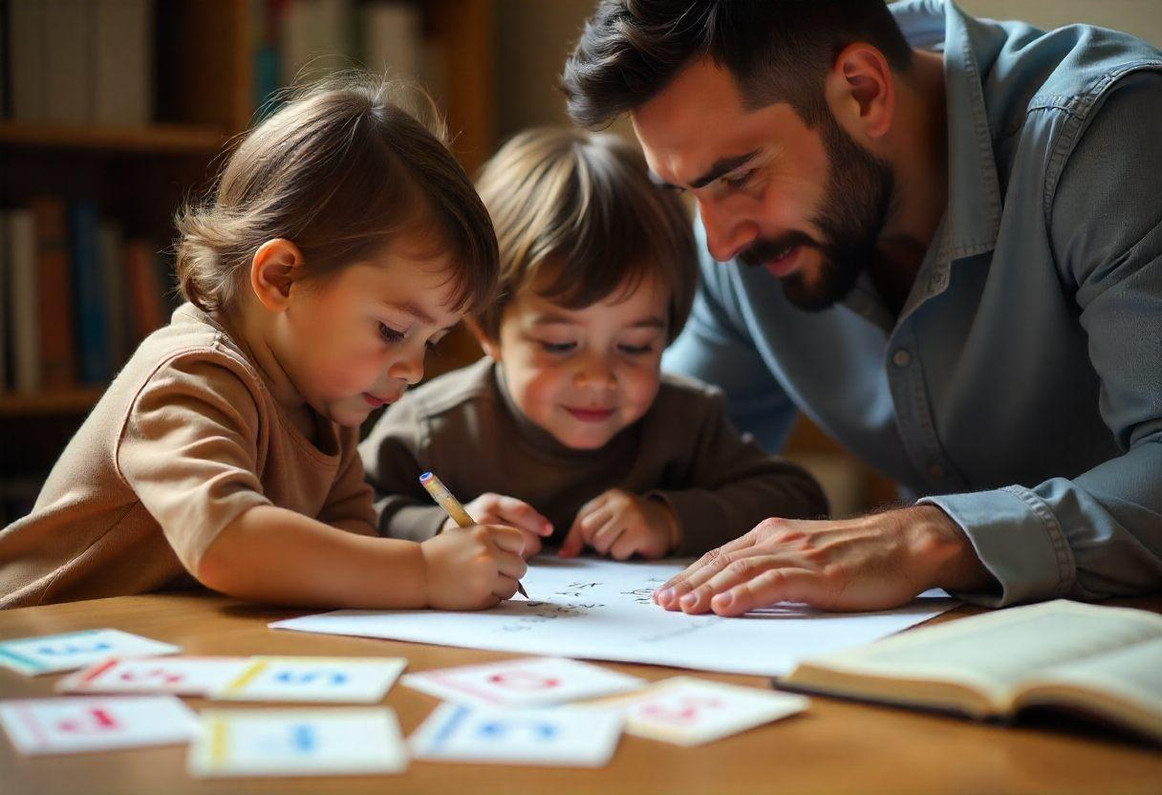
How to Teach Arabic for Kids at Home?
If you're raising Muslim kids, you've probably thought about this. How do I make sure they understand the Qur'an? How do I keep them connected to their culture and faith when everything around them is in English?
Let me tell you this: learning Arabic for kids isn't an impossible task. It's not like you need to send them to fancy language schools or hire tutors (though it is cool if you can). Honestly, some of the best Arabic learning happens at home—messy, imperfect, but real. Your kid learning to say "Alhamdulillah" properly. Getting excited when they recognize a word in Surah Al-Fatiha. That stuff sticks.
Here's what we know works: learning Arabic for kids builds both linguistic skills and spiritual identity, helping them connect deeply with their faith.
And look, you don't need to be fluent. You don't need to be a teacher. You just need to care enough to try. We put together this guide to show you exactly how to make it happen—because Arabic for kids is one of the best gifts you can give them. Let's dive in.
The Benefits of Learning Arabic at a Young Age
Here's the thing about kids' brains—they're basically sponges right now. If you start teaching Arabic learning for kids early, they just absorb it. Like, naturally. Their brains are wired to pick up languages, and the Arabic language is no exception.
When you introduce Arabic for kids at a young age, you're not just checking off a language box. You're giving them something way bigger. Kids who learn Arabic actually understand the Qur'an—not phonetically, but really understand it. They get the meanings, the beauty, the message. That's huge.
Plus, there's something powerful about cultural pride. When your kid can read Arabic, write their name, understand Islamic phrases? They stand taller. They feel connected to their heritage, to Muslims everywhere, to their deen. It becomes part of who they are.
The brain science backs it up too. Early language retention is strongest in children; what they learn now sticks with them for life.
With consistent practice and the right resources from Madinah Mart, your child can start learning Arabic with joy and confidence.
Ready to get started? Let's walk through exactly how to make this happen at home.
How to Teach Kids Arabic at Home (Step-by-Step Guide)
Teaching Arabic for kids doesn't mean you need to be a professional teacher or have some fancy curriculum. It's way simpler than that.
The real secret is just starting small and building from there. You are not trying to make them fluent in a week or something like that. You are simply building habits, getting them used to hearing and speaking Arabic and making it so that they actually like doing it instead of hating it.
This roadmap is going to walk you through exactly how to teach Arabic at home.
Step 1: Start with the Arabic Alphabet
This is where you start. The Arabic alphabet is literally the foundation for everything else. But here's the thing: don't jump straight into making them pronounce everything perfectly. That's not where you begin.
Start with recognition. Your kid just needs to see the letters and get used to how they look. Let that sink in first. Once they know what the letters look like, then you can worry about pronunciation.
Grab some Arabic alphabet flashcards or print out a nice wall chart. Madinah Mart has some beautiful options that look great hanging in their room. Point at the letters together. Say them out loud a couple of times. Don't make a big deal out of it, just keep it relaxed. Some kids get it in like two days, some take a few weeks. That's just how it is, totally normal..
Once they recognize most of the letters? Then you start on how to say them properly. But always recognition first.
Step 2: Use Visual and Auditory Learning Tools
Kids learn Arabic for kids so much better when they're both seeing and hearing things at the same time. You could read about Arabic learning for kids all day, but actually watching and listening? That's where it really sticks.
Sit down together and watch some Arabic cartoons. There are tons of Islamic kids shows made exactly for this. Sing nasheeds together in the car on the way to school. Get some Arabic storybooks with pictures so your kid can follow along even if they don't catch every word.
You can learn Arabic online too through YouTube channels and apps designed specifically for kids. The combination of pictures, sounds, and stories makes everything connect faster. Your child's brain is picking up patterns, sounds, and what things mean all at once. It's actually pretty amazing how it works.
Step 3: Practice with Daily Vocabulary
Here's where teaching Arabic for kids stops being just a lesson and becomes part of your actual life. Start saying words in Arabic throughout your day. The table is al taawilah. Water is ma'a. Prayer time is salaah. Just work these words into your regular conversations.
At breakfast, say the word for milk in Arabic. When your kid does wudu, practice those words together. In the car, point at things and say them in Arabic. Print out some word cards or coloring sheets from online, there are tons of free ones, and do them together while you chat.
The magic really happens when Arabic becomes something natural that your kid hears all the time. Not something special or separate from real life. Just woven in everywhere. Then suddenly they just know these words without even trying.
Step 4: Introduce Qur'anic Words and Simple Phrases
Now comes the part that makes this so much more meaningful. This is where teaching Arabic for kids becomes about something bigger than just words on a page.
Instruct them with words such as Salam, which implies peace, Sabr, which is patience, and Shukr, which is gratitude. These are not just a set of arbitrary Arabic words. These are the core principles of Islam, which is the way your family lives. When your child gets to know Sabr, they are taught a character trait that is very significant in Islam, not just a word.
Why not start with simple Qur'anic phrases as well? Bismillah before eating. Alhamdulillah when something good happens. Insha'Allah when you are talking about plans. To be honest, your children must be hearing these expressions very often.
This is where language and faith come together. That's really what makes learning Arabic for kids so powerful.
Now that you've got those foundations solid, let's make it even more fun and keep your kids actually excited about Arabic.
Fun and Creative Arabic Learning Ideas for Kids
The truth of the matter is: if it's not enjoyable, your child probably won't continue with it. I mean, learning Arabic for kids doesn't have to be like sitting in a traditional classroom. It can be unintimidating, playful, and imaginative.That's actually when kids learn best.
The thing about Arabic learning for kids is that it works way better when you mix things up. One day it's a game. The next day it's painting. Then you're singing nasheeds together. When your child doesn't know what to expect, they stay engaged. They actually want to do it. That's the goal here.
So let's talk about some real ways to make learning Arabic online or at home actually enjoyable. These aren't boring drills. These are things your kid will actually look forward to.
Play Arabic Alphabet Games
Kids love games, right? Use that. Get some Arabic alphabet flashcards and turn it into a matching game. Lay them out on the floor and have your kid find pairs. Or make it a race. Who can find the letter faster?
You can do puzzles too. There are tons of Arabic alphabet puzzles online, some free and some you can grab from Madinah Mart. Your kid's putting pieces together, and boom, they're learning the alphabet without even realizing it.
The beauty of games is that they're not thinking about it like learning. They're thinking about winning. So while they're focused on beating your score or finishing the puzzle, they're actually absorbing the letters naturally. It's sneaky learning at its best. And kids will play the same game over and over, which means repetition, which means retention.
Use Arts and Crafts for Arabic Letters
Some kids are just naturally creative, and if yours is one of them, lean into that. Grab some paint and have them paint Arabic letters on a big piece of paper. Let them make it colorful and messy and totally theirs.
Or try clay. Roll out the clay and shape it into Arabic letters. This is actually amazing because they're physically forming the shape of each letter with their hands. Their brain is making the connection between what it looks like and how to create it.
The cool thing about arts and crafts for Arabic learning for kids is that you end up with something they made. Something real they can look at and feel proud of. They created that. That letter? They made it. That builds confidence way faster than worksheets ever could.
Incorporate Arabic Through Songs and Nasheeds
Music is like a magic wand for learning. Seriously. Your kid will remember a song they heard once way better than something you drill them on ten times.
Find some good Arabic nasheeds designed for kids and play them in the car, during breakfast, whenever. Sing along together. Your kid's hearing the Arabic, hearing the rhythm, picking up pronunciation naturally. There's something about the melody and beat that makes words stick in your brain differently.
And the fact is it does not have to sound good at all when you try to sing it. Your child finds it extremely funny when you try. You are having fun together, your child is hearing Arabic and auditory learning is helping their pronunciation and rhythm to develop much faster than if they were just reading from a book.
Set Up an Arabic Learning Corner at Home
Create a space dedicated to learning. It doesn't need to be huge or complicated. Just a little corner where your Arabic for kids materials live. Some books. Some posters. Maybe some educational toys. Make it inviting.
Madinah Mart has beautiful educational posters and books and decor that actually look nice in your home. This is not only functional but also beautiful. Your child walks past that corner and sees Arabic written everywhere, which means that it is becoming a thing of normal. It's part of your house, part of your life.
The cool part is that when you create that space, your kid naturally wants to spend time there. They'll grab a book or look at the posters without you having to ask. It becomes their thing. And when learning is their choice, not something you're forcing, everything changes.
After coming up with these different inventive methods to maintain your children's interest in Arabic, let us have a discussion about the instruments and resources that can be of help to you. The reason is that while these are great ways, sometimes you still need to have real learning resources at hand. Let's check out how to locate the finest tools that include both free options and premium ones that will make your child's Arabic learning even more effective.
Learn Arabic Online and for Free: Tools for Modern Families
The internet is like a treasure trove if you are aware of where to find it. There are countless ways to learn Arabic online for free and frankly, your child can become really fluent just by using free resources.
YouTube has some legit channels designed specifically for teaching Arabic for kids. Search for Islamic kids' channels and you'll find tons of content. There are also solid apps, most of them free or cheap, that gamify learning so your kid actually wants to use them. And printable worksheets? They're everywhere. A quick search and you can print flash cards, coloring sheets, and practice pages for basically nothing.
The thing is, free resources are genuinely helpful and you should totally use them. But here's what we've learned from parents who've been doing this for years: while there are many free tools to learn Arabic online, combining them with hands-on products like those from Madinah Mart gives your child the most effective learning experience. The combination of digital plus physical materials? That's where the real magic happens.
Ready to see what Madinah Mart has that'll complement your learning journey?
Recommended Arabic Learning Resources for Kids on Madinah Mart
Look, we know the struggle is real when you're trying to find Arabic learning for kids stuff that actually fits your values and your family's vibe. That's where Madinah Mart comes in. Everything they have is made with Muslim families in mind. It's faith-aligned, it actually looks nice in your home, and it works for teaching Arabic for kids without any of the fluff.
Here's what you can grab:
- Arabic Alphabet Flashcards and Charts – Honestly these are so nice. Real quality cards that your kid won't destroy in two seconds. Put them on the wall, throw them in your bag, take them out whenever. Your child is learning the alphabet while they are simply having fun.
- Kids' Islamic Storybooks with Arabic Vocabulary – Stories that your kids actually want to read, not ones they'll refuse to touch. Arabic words are woven right into the stories so they pick up vocabulary naturally without even realizing they're studying.
- Qur'an Learning Tools and Activity Books – Make the Qur'an feel accessible and fun. Your kid's coloring, matching, and exploring while they're learning Qur'anic Arabic. It's learning but it doesn't feel like learning.
- Arabic Educational Toys and Decor – Actually make your home look like a place where Arabic for kids is happening. When your kid sees Arabic everywhere around them, it just becomes normal. Part of everyday.
Now that you have the tools and resources, let's have a real talk about the mess that actually gets in the way. The truth is, there are obstacles and knowing how to deal with them is what makes the biggest difference.
Common Challenges When Teaching Kids Arabic (and How to Overcome Them)
Truth be told, education of your kids in Arabic will not always be a walk in the park. The point is, once you are familiar with the nature of the situations, you feel more comfortable with them.
Here's what actually trips parents up:
- Your Kid's Attention Span is Like Five Seconds – Okay not actually five seconds, but you know what we mean. Don't try to do hour-long lessons. Fifteen minutes max, and honestly most days ten minutes is perfect. Do it multiple times a week instead of one big chunk. Your kid stays interested, you don't lose your mind.
- The Pronunciation Thing – Arabic sounds are just different, especially if you didn't grow up speaking it. Your kid's gonna sound funny sometimes. Your kid thinks you sound funny. Just laugh about it together. Watch videos of native speakers, repeat it with your kid, and don't stress about getting it perfect right away.
- Keeping It Going – This is the real challenge, let's be real. You get excited, start teaching, then life happens and suddenly three weeks have passed. Make it part of your daily routine like brushing teeth. Even if it's just five minutes, consistency is everything.
- Making Sure They Actually Want to Do It – If your kid dreads learning Arabic for kids' time, you've already lost. Keep changing things up. Games, then songs, then stories. The second it starts feeling like homework, they're checked out.
The truth is, your kids are watching you through all of this. How do you feel about learning Arabic for kids? That's what they're gonna feel too.
Conclusion
Teaching Arabic for kids at home is absolutely doable. Doesn't have to be perfect or fancy. Just consistent and real.
Your kid learns the Qur'an, understands what it means, and feels connected to their faith and their roots. That's huge. These moments you're creating right now, laughing together while learning, celebrating when they get something new, your kids are gonna remember this forever.
You've got what you need. You've got the tools from Madinah Mart. You've got this.
Begin your child's Arabic learning journey today with Madinah Mart's curated Arabic for kids collection — where faith and learning meet.


Recent Posts
-
-

How to Teach Arabic for Kids at Home?
Nov 20th 2025 -

How to Create a Peaceful Prayer Corner at Home?
Nov 16th 2025